


 Levi Kastner
Thanksgiving is a home holiday. The good dishes come out, the extra leaf goes in the table, and by Thursday night somebody's asleep on the couch with the game still on.
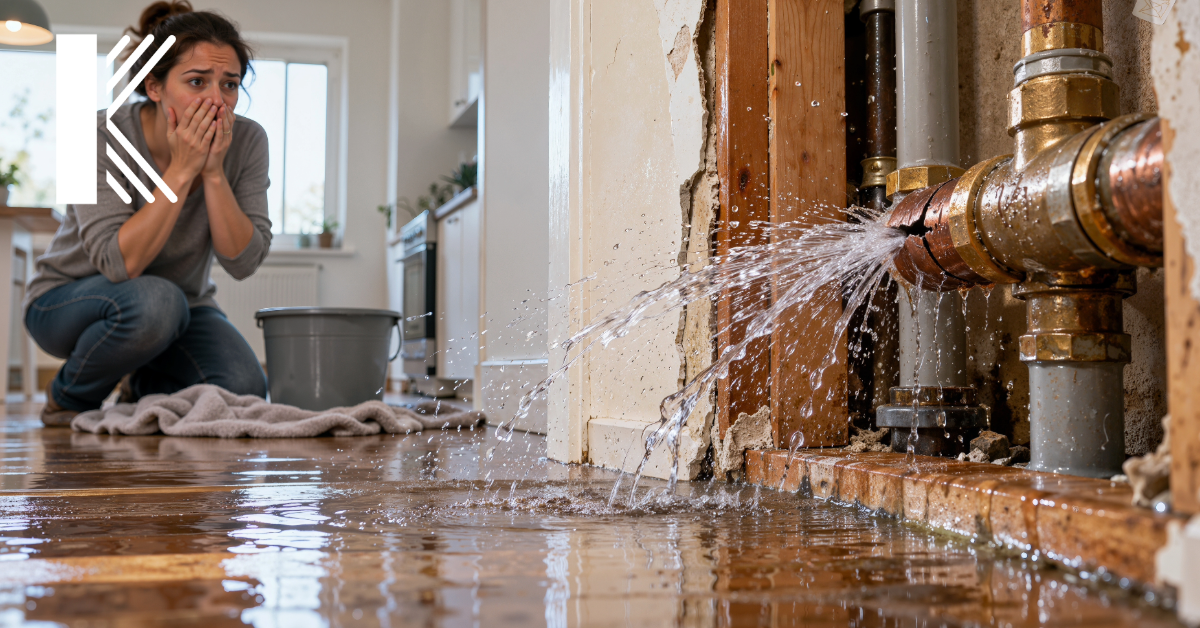
Now picture spending it in a hotel off Ambassador Caffery because a kitchen fire, a live oak limb, or a burst pipe made the house unlivable. It happens to more families than you'd think, and the part of your policy that helps in that moment is one most people have never read.
Week three of our series on home insurance to be thankful for is about loss of use coverage. We'd rather you never need this one.

What Loss of Use Coverage Does
Loss of use, often listed as Coverage D on your declarations page, helps when a covered loss makes your home unfit to live in while it's being repaired or rebuilt. The biggest piece is usually additional living expenses.
The key word is additional. The coverage is designed to pay the increase in your living costs, not all of them. Your mortgage and regular bills keep going. What loss of use typically helps with is the difference, such as:
- A hotel or short-term rental while the house is repaired
- Meals out, above what you'd normally spend on groceries
- Laundry, if your washer and dryer are out of reach
- Extra mileage if your temporary place is farther from work or school
- Pet boarding when a rental won't take the dog
- Storage or moving costs for belongings you saved
What counts, and how much, depends on your policy and your carrier.
It Follows a Covered Loss
Loss of use responds when the damage comes from something your policy covers. Fire, wind, a fallen tree, and many sudden plumbing leaks generally qualify. Plenty of homes across south Louisiana had pipes burst during the January 2025 snow and hard freeze, and some of those families spent weeks out of the house while floors and walls were dried out and replaced.
Flood works differently. Because homeowners policies generally exclude flood, they generally don't pay living expenses after a flood either, and NFIP flood policies typically don't include them. We covered that gap last week.
What About Evacuations?
This one matters every hurricane season. A mandatory evacuation by itself typically doesn't trigger loss of use, because your home hasn't been damaged.
Many policies do include a civil authority provision. If officials bar you from your home because a covered peril damaged nearby property, the policy may pay living expenses for a limited time, often up to two weeks. The details vary, so it's worth checking during a quiet month instead of from a hotel in Houston with the cone still on the TV.
How Much, and for How Long
Loss of use has a limit, and it's often set as a percentage of your dwelling coverage. Some policies also cap how long it pays. That can sound like plenty until you think about a major rebuild after a regional storm, when every contractor between Lafayette and Baton Rouge is booked and short-term rentals fill up fast. Repairs can take longer and cost more than anyone planned.
If your dwelling limit is low, your loss of use limit may be too. That's one more reason to check the numbers we talked about in week one [LINK: week 1 post].
If You Rent Out Part of Your Home
A lot of Louisiana homeowners have rental income built into the house: the other side of an Uptown double, the back of a camelback, a garage apartment in the Saint Streets. If a covered loss forces your tenant out, loss of use may also include fair rental value, which helps replace the rent you'd have collected while repairs are made. Ask your agent whether your policy includes it and how the rented portion of your home is written.
How to Make a Loss of Use Claim Go Smoother
- Call your agent as soon as everyone is safe, and ask what's approved before you sign a longer lease.
- Keep every receipt: hotel, meals, mileage, laundry, pet boarding.
- Know your normal monthly spending, so the "additional" part is easy to show.
- Photograph the damage that made the home unlivable.
- Ask how long your coverage lasts and what happens if repairs run long.
Thankful to Be Home
Kastner Insurance Group is an independent agency based in Lafayette, helping families across Acadiana, Baton Rouge, New Orleans, and the North Shore understand what their policies do before they need them. Talk with your insurance agent today. Call us at 337-291-0018 or reach out here, and we'll walk through your loss of use limit, what triggers it, and whether it fits your household.
Next week in the series: the liability coverage that goes with you to Thanksgiving dinner, wherever it is.
About Kastner Insurance Group
Founded in 2017, Kastner Insurance Group is a full-service, independent insurance broker based in Lafayette, LA. Our insurance agents specialize in offering a variety of insurance products tailored to individual and commercial needs, making sure clients receive personalized and comprehensive coverage options from a variety of insurance companies/insurance carriers.
With over 43 years of combined experience, the team at Kastner Insurance Group is dedicated to providing expert advice and exceptional service. They proudly serve professional offices and businesses across Lafayette city/parish, Youngsville, Broussard, Baton Rouge, New Orleans, Alexandria, Acadiana, and statewide in Louisiana.