


 Levi Kastner
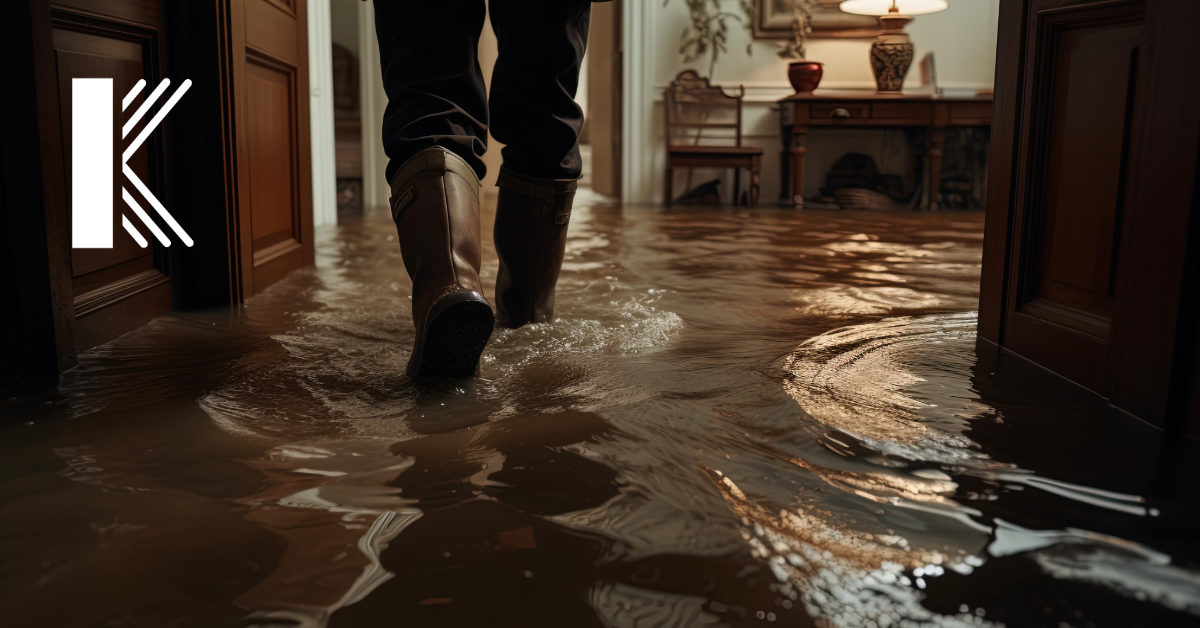
Hurricane season officially ends November 30. The coulees are back in their banks, the Vermilion is running low and slow, and for a few months nobody in Acadiana is watching the tropics. Flood insurance is about the last thing on anybody's Thanksgiving list.
That's exactly why it belongs on this one. In week two of our series on home insurance to be thankful for, we're looking at the policy most Louisiana families only think about when the water is already coming up, and why the quiet months are the right time to get it in place. If you missed week one, we started with replacement cost coverage and how your policy pays to rebuild [LINK: week 1 post].

Your Home Policy Stops at the Waterline
A quick refresher: standard homeowners policies generally exclude flood. Rising water from a bayou or river, heavy rain that pools and comes in under the doors, and storm surge are handled by a separate flood policy, written through the National Flood Insurance Program (NFIP) or a private flood carrier. We broke down where one policy ends and the other begins in Comparing Home and Flood Insurance in Louisiana.
The short version: without a flood policy, rising water is generally on you.
The 30-Day Clock
New NFIP policies generally come with a 30-day waiting period before coverage starts. There are a few exceptions, the most common being a policy bought in connection with a new mortgage or refinance. Private flood policies set their own waiting periods, which are sometimes shorter.
That clock is the whole reason timing matters. You can't buy flood coverage while a slow-moving storm stalls over the Atchafalaya and expect it to respond. Once the forecast turns, it's too late for that event. Buy in November, and the 30 days run while the weather is cool and dry, so you head into spring rains and next hurricane season already covered.
A December Date Worth Watching
The NFIP runs on authorization from Congress, and for years that authorization has come in short-term extensions. The current one runs through December 11, 2026.
When that authorization lapses, the NFIP generally can't sell new policies or process renewals until Congress acts. Policies already in force stay in force, and claims continue to be paid. That isn't hypothetical. During the government shutdown last fall, no new federal flood policies were sold or renewed for more than a month.
Congress may well extend it again before the deadline. But if you've been meaning to buy flood coverage, getting it bound before December 11 takes one variable off the table. We covered the current NFIP extension when it passed in September.
Building Coverage Isn't Contents Coverage
If your lender requires flood insurance, they're usually requiring coverage on the building, the structure that secures their loan. Contents coverage for furniture, clothes, electronics, and appliances that aren't built in is a separate line, and plenty of Louisiana homeowners carry only what the lender asked for.
Pull up your flood declarations page and look for two limits, one for building and one for contents. If the contents line is blank or zero, a flood that ruins everything you own may only fix the walls around it. Also worth knowing: NFIP contents coverage generally pays actual cash value, not replacement cost, which ties right back to what we covered last week.
Paid Off Doesn't Mean Protected
Lender requirements are about the loan, not the water. Once a mortgage is paid off, nobody is checking whether there's still a flood policy on the house, and some families let it go without much thought.
That's often the house everybody gathers in on Thanksgiving: the place in Abbeville or Breaux Bridge or Opelousas where the grandparents have lived for forty years and raised everybody at the table. If that sounds like your family, it's an easy question to ask while you're all in the same room.
Don't Let It Lapse
Pay flood renewals on time. If a policy lapses past its grace period, you may have to start over with a new policy and a new waiting period. That's a hard way to find out in June.
A November Flood Checklist
- Confirm there's a flood policy at all, especially on a home with no mortgage.
- Check the building and contents limits separately.
- Note your renewal date and how it gets paid.
- If you're shopping, get a policy bound before December 11 so the waiting period runs in the quiet season.
- Ask whether a private flood option makes sense alongside the NFIP for your home.
- Keep a copy of your flood declarations page with your homeowners policy, somewhere you can reach during an evacuation.
Get It in Place While It's Dry
Kastner Insurance Group helps homeowners in Lafayette, Broussard, Youngsville, Baton Rouge, New Orleans, the North Shore, and across Acadiana compare flood options side by side. Understand your coverage options before the December date. Call us at 337-291-0018 or reach out here.
Next week in the series: loss of use, the coverage that helps pay for somewhere to stay when you can't be home.
About Kastner Insurance Group
Founded in 2017, Kastner Insurance Group is a full-service, independent insurance broker based in Lafayette, LA. Our insurance agents specialize in offering a variety of insurance products tailored to individual and commercial needs, making sure clients receive personalized and comprehensive coverage options from a variety of insurance companies/insurance carriers.
With over 43 years of combined experience, the team at Kastner Insurance Group is dedicated to providing expert advice and exceptional service. They proudly serve professional offices and businesses across Lafayette city/parish, Youngsville, Broussard, Baton Rouge, New Orleans, Alexandria, Acadiana, and statewide in Louisiana.